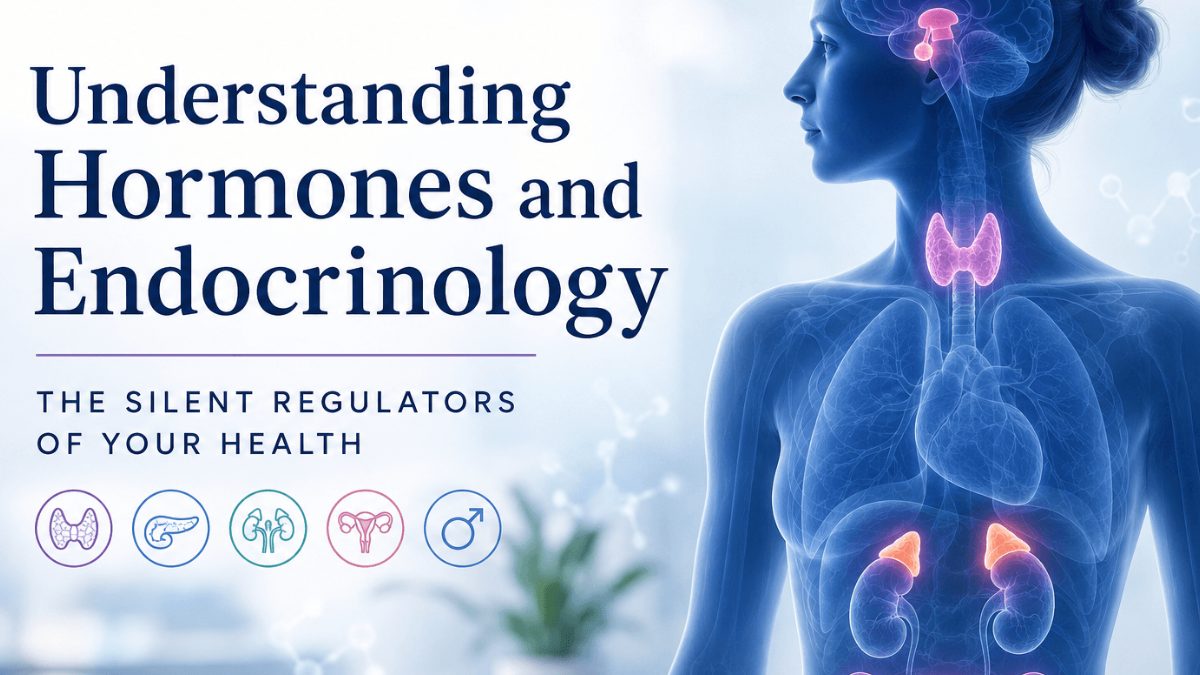
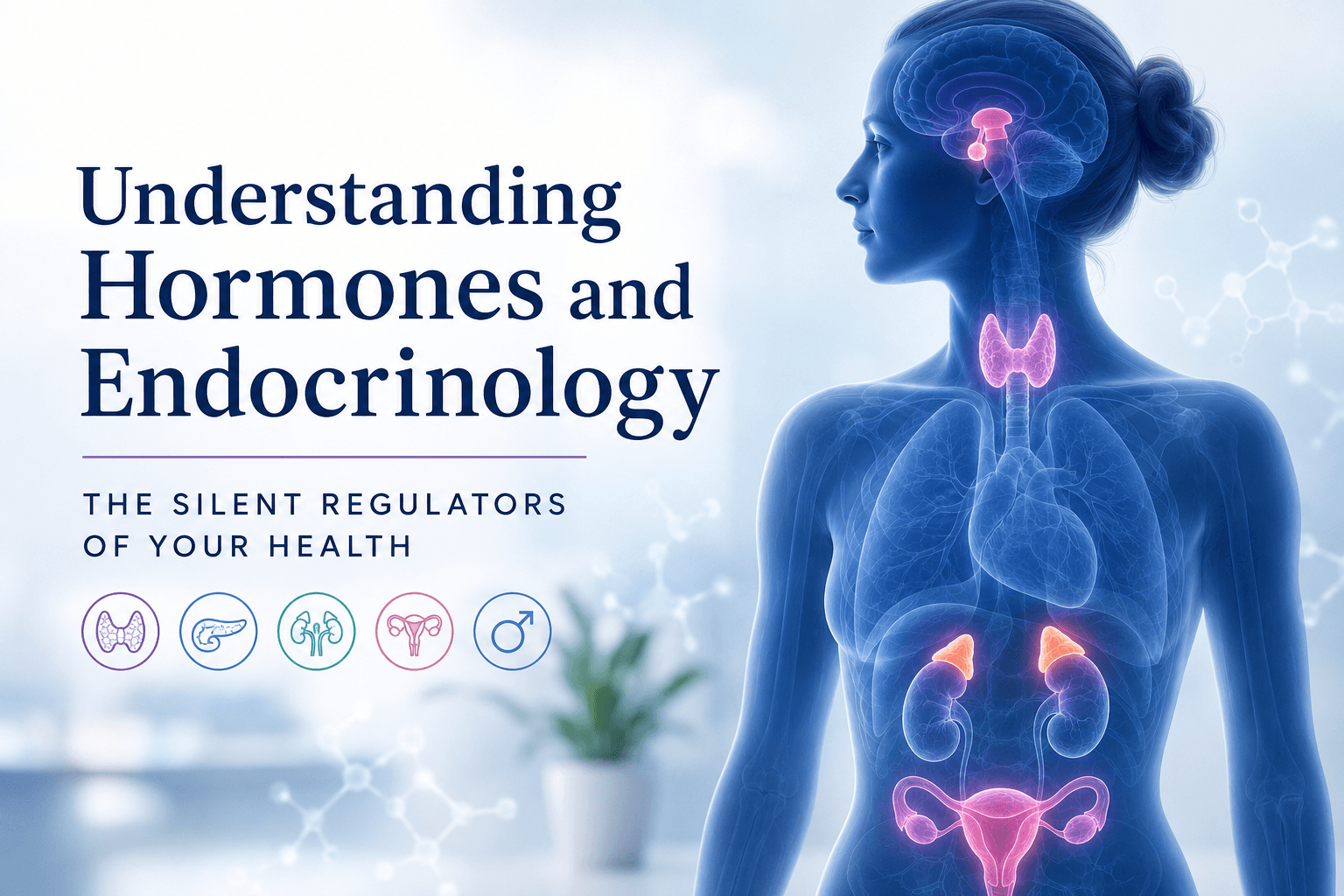
When we think about health, we often focus on organs such as the heart, lungs, or digestive system. However, behind the scenes, a complex network of chemical messengers known as hormones plays a crucial role in regulating almost every function within the body. The medical specialty dedicated to studying and treating hormone-related conditions is called Endocrinology.
In this article, I will explain what hormones are, how the endocrine system works, and when it may be appropriate to seek specialist advice.
What Are Hormones?
Hormones are chemical messengers produced by specialized glands within the endocrine system. They travel through the bloodstream and deliver instructions to various tissues and organs throughout the body.
These messengers help regulate:
Growth and development
Metabolism and energy levels
Blood sugar control
Reproductive health and fertility
Mood and emotional wellbeing
Sleep patterns
Bone health
Blood pressure and fluid balance
Even small changes in hormone levels can have a significant impact on overall health.
The Endocrine System
The endocrine system consists of several glands located throughout the body, including:
Thyroid Gland
Located in the neck, the thyroid produces hormones that regulate metabolism, body temperature, and energy levels.
Pituitary Gland
Often referred to as the "master gland," the pituitary controls many other endocrine glands and influences growth, reproduction, and hormone production.
Adrenal Glands
Situated above the kidneys, these glands produce hormones involved in stress responses, blood pressure regulation, and metabolism.
Pancreas
The pancreas produces insulin and other hormones responsible for maintaining healthy blood glucose levels.
Ovaries and Testes
These reproductive glands produce hormones such as oestrogen, progesterone, and testosterone, which influence fertility, sexual health, and physical development.
Common Endocrine Disorders
Endocrine conditions are more common than many people realise and can affect individuals of all ages.
Thyroid Disorders
The thyroid gland can become either underactive (hypothyroidism) or overactive (hyperthyroidism).
Common symptoms may include:
Hypothyroidism
Fatigue
Weight gain
Feeling cold
Dry skin
Constipation
Hyperthyroidism
Weight loss
Palpitations
Anxiety
Excessive sweating
Tremors
Diabetes Mellitus
Diabetes occurs when the body cannot effectively regulate blood sugar levels. Early diagnosis and appropriate management are essential to reduce the risk of long-term complications affecting the heart, kidneys, eyes, and nerves.
Polycystic Ovary Syndrome (PCOS)
PCOS is a common hormonal condition affecting women of reproductive age. Symptoms may include irregular periods, acne, excessive hair growth, weight gain, and fertility difficulties.
Osteoporosis
Hormonal changes, particularly after menopause, can contribute to reduced bone density and an increased risk of fractures.
Adrenal and Pituitary Disorders
Although less common, disorders affecting the adrenal or pituitary glands can have profound effects on energy levels, blood pressure, weight, and overall wellbeing.
Signs That May Indicate a Hormonal Problem
Hormonal conditions often develop gradually, making them difficult to recognise initially.
You may benefit from medical assessment if you experience:
Persistent fatigue
Unexplained weight gain or weight loss
Changes in appetite
Mood disturbances
Sleep problems
Menstrual irregularities
Reduced libido
Excessive thirst or frequent urination
Hair loss or excessive hair growth
Unexplained changes in blood pressure
Many of these symptoms can be caused by a variety of medical conditions, which is why a thorough clinical assessment is important.
How Endocrine Conditions Are Diagnosed
Diagnosis typically begins with a detailed medical history and physical examination.
Depending on your symptoms, investigations may include:
Blood tests to measure hormone levels
Thyroid function tests
Diabetes screening
Dynamic hormone testing
Ultrasound scans
CT or MRI imaging when appropriate
Accurate diagnosis allows treatment plans to be tailored to each individual's needs.
Modern Treatment Approaches
Advances in endocrinology have significantly improved outcomes for patients with hormonal disorders.
Treatment options may include:
Hormone replacement therapy
Medications to regulate hormone production
Lifestyle and dietary interventions
Weight management support
Diabetes management programmes
Specialist monitoring and follow-up
The goal is not only to correct hormone imbalances but also to improve quality of life and long-term health outcomes.
Looking After Your Hormonal Health
While not all endocrine conditions can be prevented, maintaining a healthy lifestyle can support optimal hormonal function.
Key recommendations include:
Regular physical activity
A balanced diet rich in whole foods
Maintaining a healthy weight
Managing stress effectively
Prioritising sleep
Attending routine health screenings
Final Thoughts
Hormones influence virtually every aspect of our health, often in ways that are not immediately obvious. Persistent symptoms such as fatigue, weight changes, mood disturbances, or menstrual irregularities should not be ignored, particularly if they are affecting your daily life.
Early assessment and appropriate treatment can often make a significant difference. If you are concerned about symptoms that may be related to a hormonal condition, seeking advice from a healthcare professional can be the first step towards understanding and improving your health.