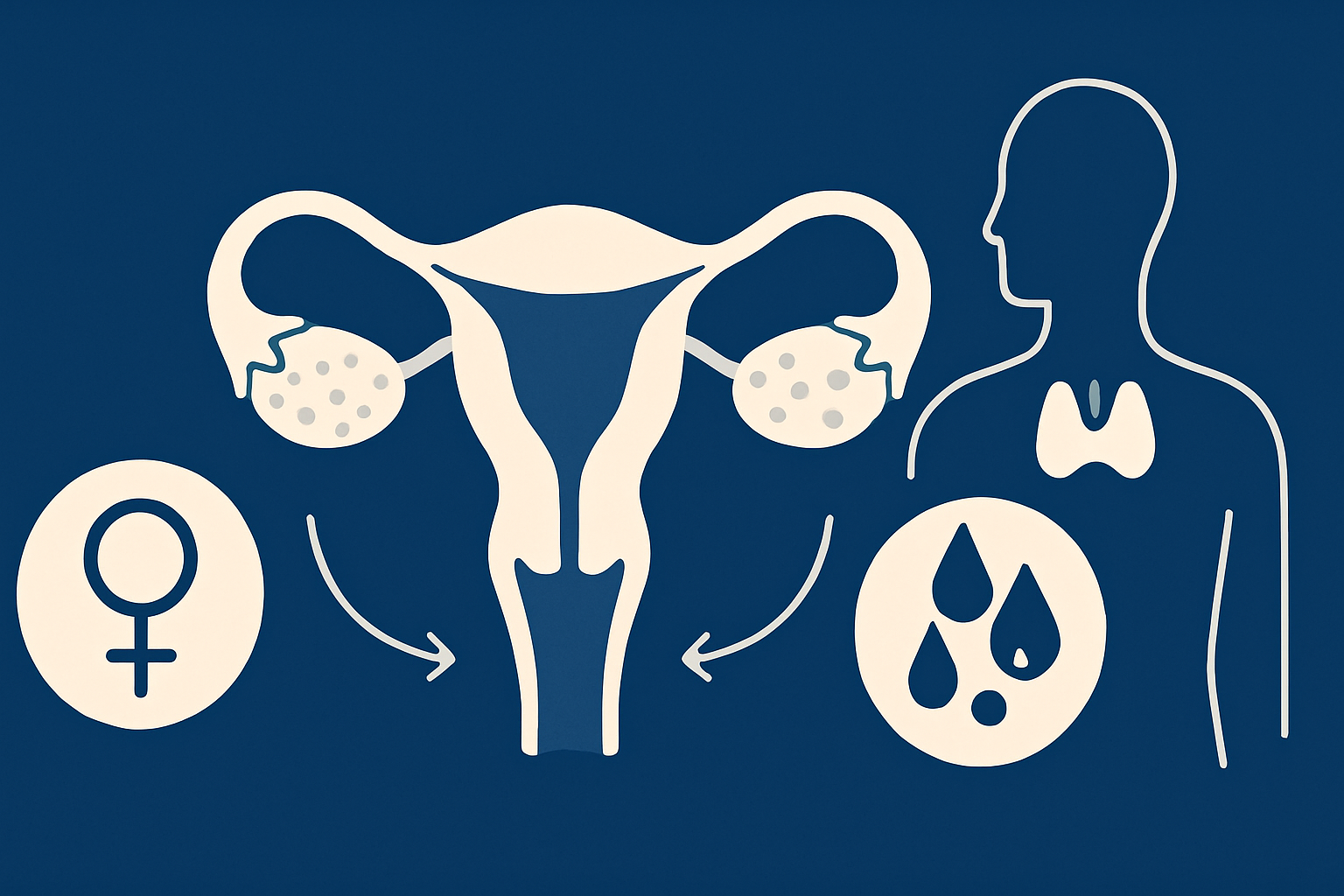
What is PCOS?
Polycystic ovary syndrome (PCOS) is a common endocrine disorder affecting women of reproductive age. Characterised by hormonal imbalances, it can lead to a variety of symptoms including irregular menstrual cycles, excess androgen levels, and cysts on the ovaries. These symptoms can significantly impact a woman's quality of life, making understanding and management crucial.
What Are the Symptoms of PCOS?
The symptoms of PCOS can vary widely among women, but common indicators include:
Irregular or absent menstrual periods
Excess hair growth (hirsutism), often on the face, chest, or back
Acne or oily skin
Thinning hair or hair loss on the scalp
Weight gain or difficulty losing weight
Darkening of skin, particularly around neck creases and groin
Skin tags, especially in the armpits or neck area
Recognising these symptoms early on can facilitate timely intervention and management.
How is PCOS Diagnosed?
Diagnosis of PCOS typically involves a combination of clinical assessments, blood tests, and imaging studies. The Rotterdam criteria are commonly used, requiring two of the following three conditions for a diagnosis:
Irregular or absent ovulation
Elevated levels of androgens (either clinically or via blood tests)
Polycystic ovaries visible on ultrasound
It's essential to consult with a PCOS specialist private UK to ensure an accurate diagnosis and to discuss the best management options.
What Are the Four PCOS Phenotypes?
PCOS can present in four different phenotypes, each with its own set of characteristics:
Classic PCOS: Includes hyperandrogenism, ovulatory dysfunction, and polycystic ovaries.
Ovulatory PCOS: Hyperandrogenism with regular ovulation and polycystic ovaries.
Non-ovulatory PCOS: Ovulatory dysfunction and polycystic ovaries without elevated androgens.
Normoandrogenic PCOS: Ovulatory dysfunction and/or polycystic ovaries but normal androgen levels.
Understanding your specific phenotype is important for tailoring treatment approaches effectively.
What is the Connection Between PCOS and Insulin Resistance?
Insulin resistance is a common feature of PCOS, contributing to the development of type 2 diabetes and cardiovascular diseases. It occurs when the body's cells become less responsive to insulin, resulting in elevated blood glucose levels. Managing insulin resistance through lifestyle changes and medications is a critical aspect of PCOS treatment.
Approximately 70% of women with PCOS have insulin resistance, which increases their risk of developing type 2 diabetes.
How Does Androgen Excess Affect PCOS?
Androgen excess is a hallmark of PCOS, leading to symptoms such as hirsutism, acne, and scalp hair thinning. Elevated androgens can disrupt normal ovarian function, contributing to irregular menstrual cycles and infertility. Addressing androgen levels through medical and lifestyle interventions is key to managing these symptoms.
What Are the Treatment Options for PCOS?
Treatment for PCOS is tailored to individual symptoms and may include:
Lifestyle modifications: Diet and exercise are foundational in managing insulin resistance and weight.
Medications: Metformin: Helps improve insulin sensitivity and regulate menstrual cycles. Inositol: A supplement that can help improve insulin sensitivity and ovarian function. Spironolactone: Reduces androgen levels, helping with hirsutism and acne.
Hormonal contraceptives: Often prescribed to regulate menstrual cycles and reduce androgen levels.
How Does PCOS Affect Women Across Different Life Stages?
PCOS can manifest differently throughout a woman's life:
Teenagers
In teens, PCOS often presents with irregular periods and acne. Early diagnosis and intervention can prevent long-term complications.
Reproductive Years
During these years, PCOS can affect fertility and increase the risk of complications during pregnancy. Management focuses on ovulation induction and lifestyle changes.
Perimenopause
Symptoms may persist or evolve as women approach menopause. Continued monitoring and management are crucial, especially due to increased risks of metabolic syndrome and diabetes.
When Should I See a Specialist?
If you experience persistent symptoms of PCOS, such as irregular periods, excessive hair growth, or difficulty managing weight, it’s advisable to see a specialist. A PCOS specialist private UK consultation can provide a detailed evaluation and personalised treatment plan, offering a more tailored approach than waiting for NHS referrals.
What Happens at a Private Consultation with Dr. Wijesekara?
During a private consultation with Dr. Wijesekara, you can expect:
A comprehensive medical history review and discussion of your symptoms
Physical examination and appropriate investigations, such as blood tests and ultrasound
A detailed explanation of your diagnosis and the different PCOS phenotypes
A personalised treatment plan, including lifestyle advice and medication options
Continuous support and follow-up consultations to monitor your progress
Dr. Wijesekara is dedicated to providing compassionate care and expert guidance to help manage your PCOS effectively.
How Can Verity PCOS Charity Help?
Verity is a UK-based charity that supports women with PCOS by providing information, resources, and a community for sharing experiences. They offer workshops, conferences, and online forums to help you connect with others and learn more about managing PCOS.
What Are the Risks of Untreated PCOS?
Without proper management, PCOS can lead to several health complications, including:
Type 2 diabetes
High blood pressure
Cholesterol abnormalities
Endometrial cancer
Sleep apnoea
Mood disorders such as depression and anxiety
Early diagnosis and treatment can significantly reduce these risks and improve your overall health and well-being.
How Can Lifestyle Changes Impact PCOS?
Adopting a healthy lifestyle is a cornerstone of PCOS management. This includes:
Regular physical activity to improve insulin sensitivity and aid weight management
A balanced diet rich in whole foods, lean proteins, and healthy fats
Reducing stress through mindfulness, yoga, or relaxation techniques
Getting sufficient sleep to regulate hormones and support metabolic health
Lifestyle changes can have a profound impact on PCOS symptoms and overall health.
Can PCOS Lead to Diabetes?
Women with PCOS are at an increased risk of developing type 2 diabetes due to insulin resistance. Regular monitoring of blood glucose levels and proactive management of lifestyle factors are essential in reducing this risk. For more information on insulin resistance and its link to diabetes, refer to our detailed article on the topic.
How Can a PCOS Specialist Private UK Consultation Help?
Seeing a PCOS specialist privately in the UK can offer several advantages, including faster access to care and a more personalised approach. A specialist can provide expert advice, comprehensive evaluations, and a tailored treatment plan to effectively manage your condition and improve your quality of life.
If you would like to discuss your symptoms and explore your treatment options further, please do not hesitate to book a consultation with Dr. Wijesekara. His expertise and compassionate approach ensure you receive the care and support you need to manage PCOS effectively.