Why Is Bone Health Important After 50?
As you reach the age of 50 and beyond, your body undergoes numerous changes, one of the most significant being the transition through menopause. This natural stage of life can have a profound impact on your bone health, primarily due to the decrease in oestrogen, a hormone that plays a vital role in maintaining bone density.
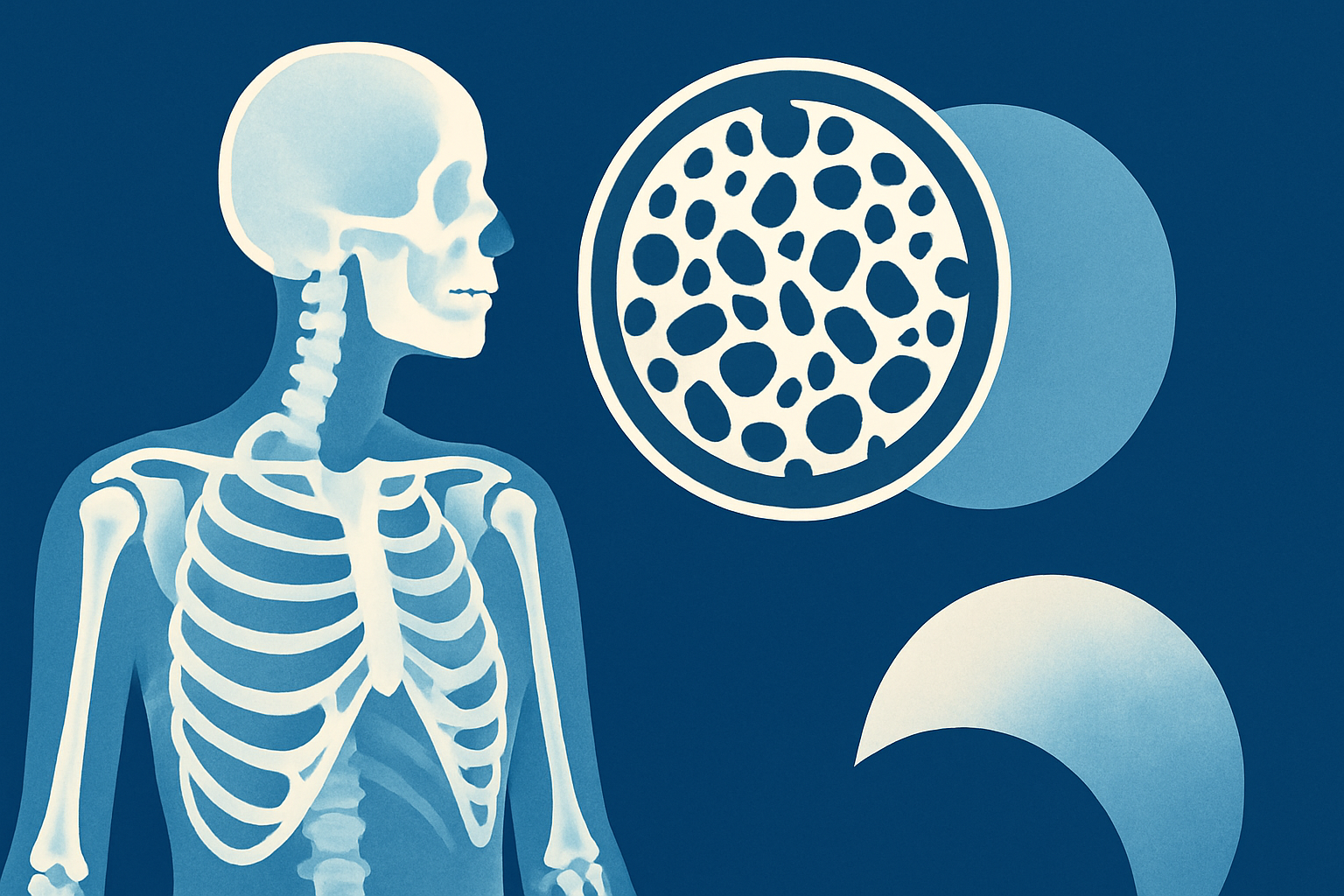
Post-menopausal women are particularly susceptible to osteoporosis, a condition characterised by weakened bones, increasing the risk of fractures. Recognising the importance of bone health during this time is crucial to ensuring that you continue to lead an active and fulfilling life.
What Causes Osteoporosis After 50?
Oestrogen is instrumental in protecting your bones by slowing down the rate at which bone is broken down in your body. After menopause, the levels of oestrogen drop significantly, leading to an accelerated loss of bone density. This makes post-menopausal women particularly vulnerable to osteoporosis.
Several factors can increase your risk of developing osteoporosis, including:
Family history of osteoporosis or fractures
Low body weight or a small frame
Smoking and excessive alcohol consumption
Insufficient intake of calcium and vitamin D
Sedentary lifestyle
How Is Osteoporosis Diagnosed?
Diagnosing osteoporosis involves assessing your bone density, typically through a Dual-Energy X-ray Absorptiometry (DEXA) scan. This scan is a quick and painless procedure that measures your bone mineral density (BMD) and provides a T-score, which helps determine your bone health status.
A T-score of:
-1.0 and above is considered normal
Between -1.0 and -2.5 indicates osteopenia (low bone mass)
-2.5 and below confirms a diagnosis of osteoporosis
In the NHS, waiting times for a DEXA scan can be lengthy, but private consultations can offer more immediate access. For more on what to expect, refer to our detailed DEXA scan guide.
What Is the FRAX Fracture Risk Tool?
The FRAX tool is a valuable resource that estimates your 10-year probability of sustaining a fracture. It takes into account various risk factors, including age, sex, weight, height, and personal and family medical history. By combining this information, FRAX provides a comprehensive assessment of your fracture risk, aiding in the development of a suitable management plan.
The FRAX tool, developed by the World Health Organization, is widely used to guide treatment decisions for osteoporosis worldwide.
How Can Osteoporosis Be Treated?
Managing osteoporosis effectively involves a combination of lifestyle modifications and medical treatments. The primary goals are to strengthen your bones and reduce the risk of fractures. Treatment options include:
Bisphosphonates
Bisphosphonates, such as alendronate and risedronate, are commonly prescribed medications that help to slow down bone loss, increase bone density, and reduce the risk of fractures. These medications are usually taken orally and should be administered as directed to maximise their benefits.
Calcium and Vitamin D Supplementation
Calcium and vitamin D are essential for maintaining bone health. Calcium helps to build and maintain strong bones, while vitamin D enhances calcium absorption. Ensuring an adequate intake of these nutrients, either through diet or supplements, is vital for preventing osteoporosis. For more detailed information, you may find our article on Vitamin D particularly helpful.
When Should I See a Specialist?
If you have risk factors for osteoporosis, are experiencing symptoms such as unexplained back pain or height loss, or have concerns about your bone health after 50, it is advisable to consult a specialist. Early intervention can significantly improve outcomes and help you maintain your quality of life.
What Happens at a Private Consultation with Dr. Wijesekara?
During a private consultation at KIMS Hospital Maidstone or Sevenoaks Medical Centre, Dr. Wijesekara will conduct a comprehensive assessment of your bone health. This includes reviewing your medical history, risk factors, and conducting necessary diagnostic tests, such as a DEXA scan. He will then discuss tailored treatment options to optimise your bone health and reduce your fracture risk.
If you would like to discuss your bone health after 50, especially during or after menopause, please consider booking a consultation with Dr. Wijesekara. His expertise in endocrinology will provide you with the knowledge and support needed to manage osteoporosis effectively and maintain a healthy, active lifestyle.