What Is Hypothyroidism and How Does It Affect You?
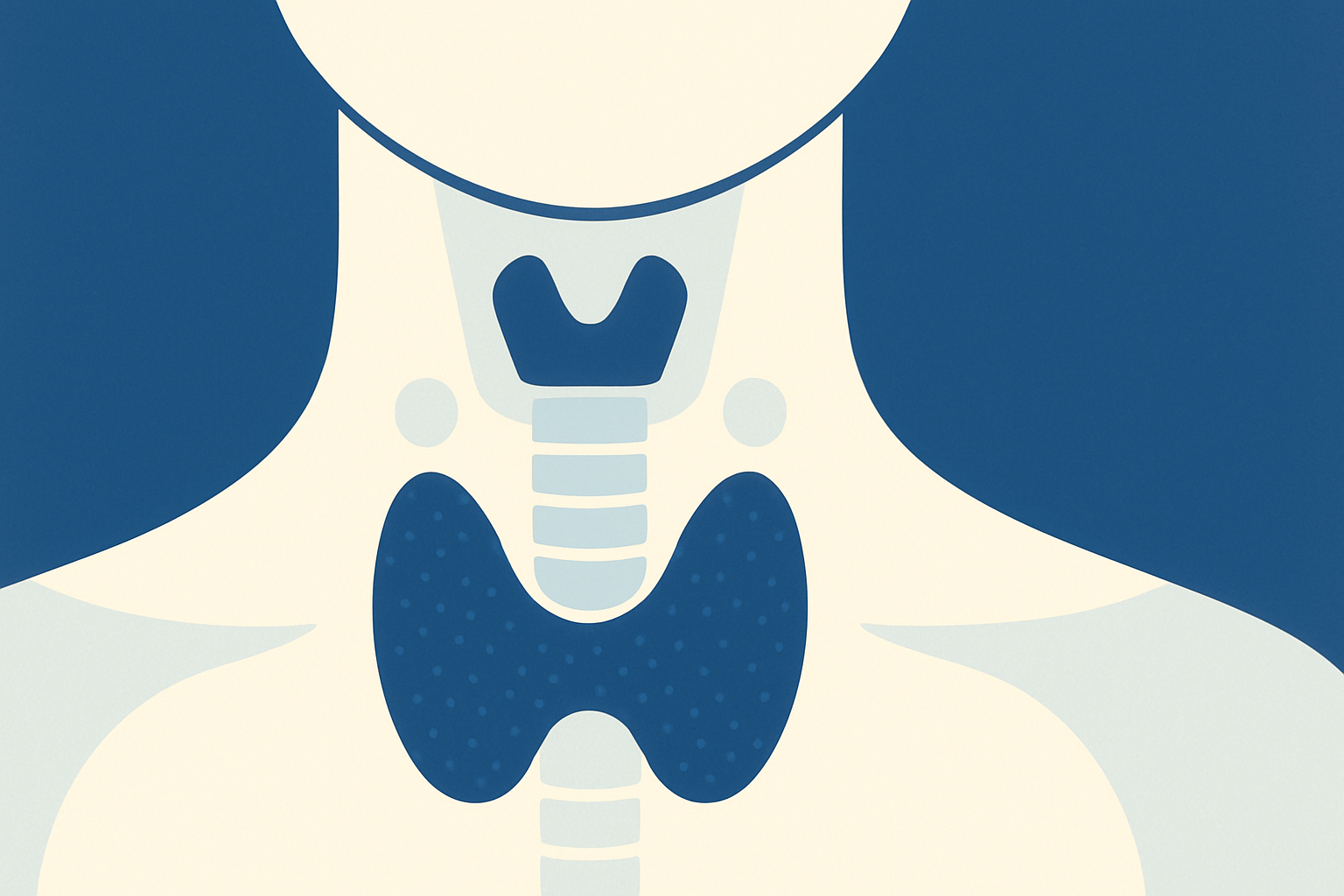
Hypothyroidism, or an underactive thyroid, is a condition where your thyroid gland does not produce enough hormones to meet your body’s needs. This can result in a variety of symptoms that affect your daily life, including fatigue, weight gain, and brain fog.
The thyroid gland plays a crucial role in regulating your metabolism, energy levels, and overall bodily functions. When it doesn’t produce adequate hormones, these processes can slow down, leading to the symptoms you may be experiencing.
What Causes Hypothyroidism?
The most common cause of hypothyroidism is Hashimoto’s thyroiditis, an autoimmune disorder where the immune system attacks the thyroid gland. This chronic inflammation can lead to a gradual decline in thyroid function.
Other causes include:
Iodine deficiency
Thyroid surgery or radiation therapy
Certain medications
Congenital conditions
Why Might Your Levothyroxine Dose Not Be Working?
Many patients feel frustrated when their levothyroxine medication doesn’t seem to alleviate symptoms, even though their TSH levels appear 'normal'. This can happen if the dose isn’t optimised for your individual needs.
NICE guidelines suggest aiming for a TSH level in the lower half of the normal range (0.4 to 2.5 mU/L) to help minimise symptoms.
It’s important to have a thorough discussion with your doctor about your symptoms and whether your medication needs adjustment.
What Are the Treatment Options Beyond Levothyroxine?
While levothyroxine is the standard treatment for hypothyroidism, some patients benefit from additional or alternative therapies. These include:
T3/T4 combination therapy: Some patients report improved symptoms with a combination of levothyroxine (T4) and liothyronine (T3), especially if their body struggles to convert T4 to the active T3.
Private prescription options: A private consultation can explore T3 therapy further if it's not available through the NHS.
For more information, you might find our T3 private prescription article helpful.
How Can Lifestyle Adjustments Help?
Living well with hypothyroidism often requires more than just medication. Lifestyle modifications can play a significant role in managing symptoms:
Selenium: This trace element may support thyroid function and is found in foods like Brazil nuts and fish.
Sleep: Prioritising quality sleep can help combat fatigue and improve overall well-being.
Stress management: Techniques such as yoga and meditation can reduce stress, which often exacerbates symptoms.
When Should I See a Specialist?
If you continue to experience symptoms despite treatment, or if you suspect you have hypothyroidism but haven't been diagnosed yet, consulting a specialist like an endocrinologist can be beneficial. They can conduct a comprehensive assessment and provide tailored advice and treatment options.
Consider seeing a specialist if you experience:
Persistent fatigue or brain fog
Unexplained weight gain
Difficulty managing your symptoms with current treatment
What Happens at a Private Consultation with Dr. Wijesekara?
During a private consultation with me at KIMS Hospital or Sevenoaks Medical Centre, we'll take the time to understand your symptoms, medical history, and treatment experiences. Our goal is to develop a personalised plan that addresses your specific needs.
This may include reviewing your current medication, discussing potential alternative therapies, and recommending lifestyle changes to help you live well with hypothyroidism.
Living with Hashimoto’s Thyroiditis
For those with Hashimoto’s, managing inflammation and autoimmunity is key. This might involve dietary changes, supplements, and stress reduction. You can learn more by reading our Hashimoto's article.
If you would like to discuss your condition further and explore how you can improve your quality of life while living with hypothyroidism, please don't hesitate to book a private consultation with me. Together, we can find a way forward that works for you.