What Causes Hashimoto's Thyroiditis?
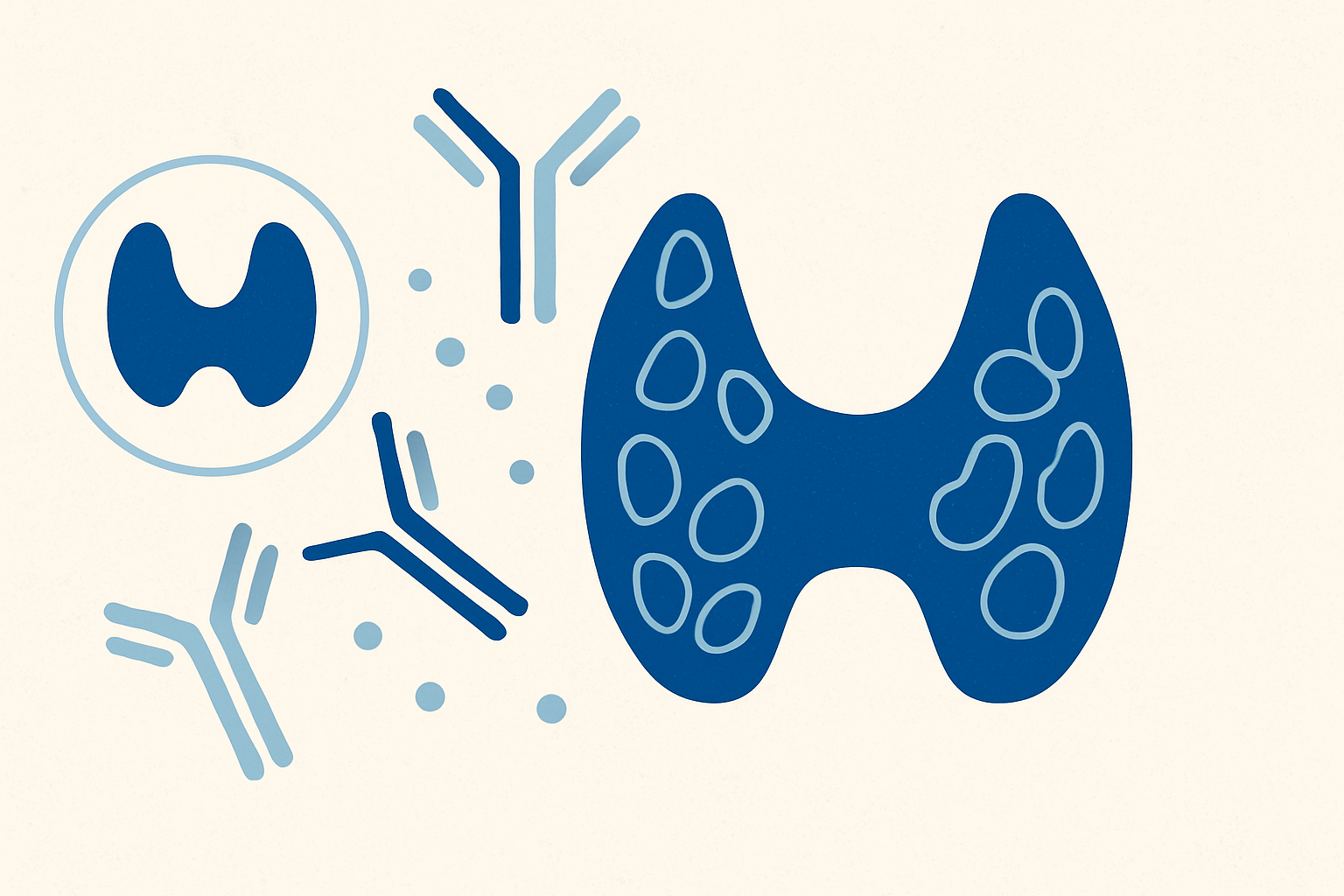
Hashimoto's thyroiditis is an autoimmune disorder where your immune system mistakenly attacks your thyroid gland, leading to inflammation and gradual destruction. This process impairs the thyroid's ability to produce hormones, resulting in hypothyroidism. The underlying cause is often genetic, but environmental factors such as stress, infection, and iodine intake can also play a role.
Two primary antibodies are involved in this autoimmune cycle: thyroid peroxidase (TPO) antibodies and thyroglobulin antibodies. When your immune system produces these antibodies, they target and damage thyroid cells, leading to decreased hormone production.
How is Hashimoto's Thyroiditis Diagnosed?
Diagnosis of Hashimoto's thyroiditis involves a combination of clinical evaluation and blood tests. While thyroid-stimulating hormone (TSH) levels are commonly measured, they alone are insufficient for monitoring Hashimoto's thyroiditis effectively. Comprehensive testing includes:
TSH levels
Free T3 (FT3) and Free T4 (FT4) levels
TPO and thyroglobulin antibodies
These tests provide a fuller picture of thyroid function and the autoimmune activity affecting your thyroid gland. NICE guidelines recommend considering the full spectrum of thyroid function tests for accurate diagnosis and monitoring.
Why TSH Alone is Insufficient for Monitoring?
While TSH is a useful initial indicator of thyroid function, it doesn't fully capture the complexities of Hashimoto's thyroiditis. TSH levels can fluctuate and may not reflect the severity of your symptoms or the degree of autoimmune activity. Monitoring FT3, FT4, and antibodies allows for a more nuanced understanding of your condition, helping to tailor treatment to your needs.
Approximately 90% of hypothyroidism cases in the UK are due to Hashimoto's thyroiditis, yet many patients are unaware of their autoimmune condition.
What Are the Treatment Options for Hashimoto's Thyroiditis?
Treatment for Hashimoto's thyroiditis primarily focuses on replacing deficient thyroid hormones. Common options include:
Levothyroxine: A synthetic form of thyroxine (T4) that is commonly prescribed.
Combination therapy: In some cases, adding T3 (liothyronine) to levothyroxine may help alleviate symptoms.
Controversies exist around dietary interventions, such as gluten elimination and selenium supplementation. While some studies suggest potential benefits, they remain inconclusive, and any dietary change should be discussed with a specialist.
What is the Emotional Impact of Hashimoto's Thyroiditis?
Living with Hashimoto's thyroiditis can be emotionally challenging. The fluctuating nature of symptoms, including fatigue, weight changes, and mood disturbances, often leads to frustration and anxiety. Understanding your condition and having a supportive management plan can significantly alleviate these emotional burdens.
When Should I See a Specialist?
If you suspect you have Hashimoto's thyroiditis or are experiencing persistent thyroid symptoms despite treatment, it may be time to consult a specialist. A Hashimoto's thyroiditis specialist in the UK can offer:
Comprehensive testing beyond standard TSH checks
Personalised treatment plans
Guidance on controversial treatment options
Emotional support and counselling
What Happens at a Private Consultation with Dr. Wijesekara?
During a private consultation with me, Dr. Nalin Wijesekara, we'll conduct a thorough review of your medical history and symptoms. You'll undergo comprehensive thyroid function tests, including antibody screening. Based on these results, we'll craft a personalised treatment plan focused on optimising your thyroid function and enhancing your overall well-being.
Additionally, we'll discuss any dietary or lifestyle changes that might benefit you and address any concerns or questions you may have about your condition.
How Can a Specialist Improve Your Quality of Life?
A Hashimoto's thyroiditis specialist in the UK can provide a more detailed and personalised approach to monitoring and treatment. By focusing on your unique symptoms and medical history, a specialist can help you achieve a more stable and fulfilling life with fewer thyroid-related disruptions.
For more information on hypothyroidism treatment and T3 prescriptions, you might find these articles helpful: Understanding Hypothyroidism and The Role of T3 in Thyroid Treatment.
If you would like to discuss your symptoms or treatment options with a specialist, I invite you to book a private consultation. Together, we can work towards managing your Hashimoto's thyroiditis more effectively and enhancing your quality of life.