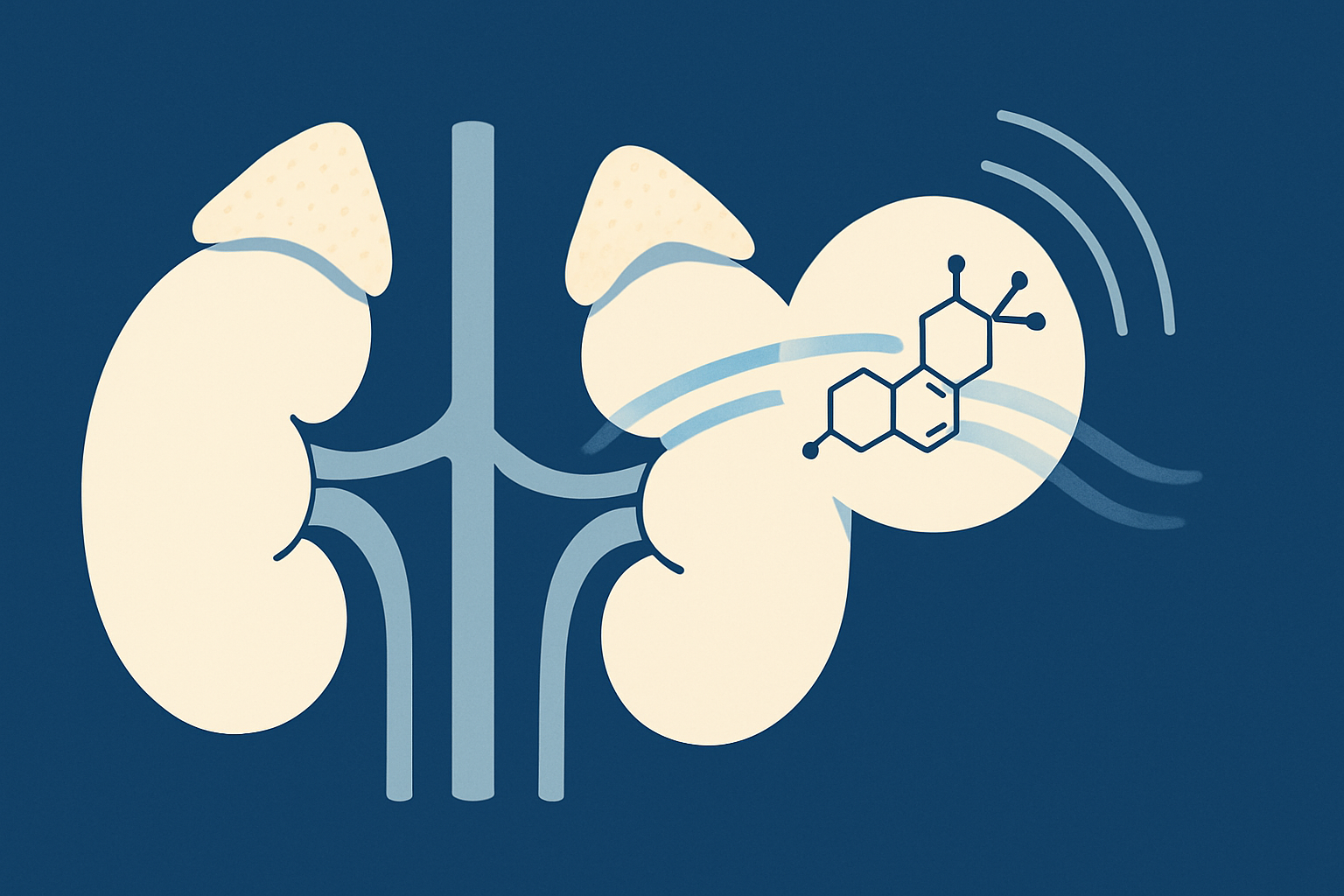
What is the Difference Between Adrenal Fatigue and Adrenal Insufficiency?
In the world of health and wellness, 'adrenal fatigue' is often mentioned as a cause of chronic tiredness, but it's not a medically recognised diagnosis. Instead, it refers to a collection of symptoms that many people experience, such as fatigue, body aches, and sleep disturbances.
On the other hand, adrenal insufficiency, also known as Addison's disease, is a serious endocrine disorder where the adrenal glands don't produce enough hormones, particularly cortisol and sometimes aldosterone. This condition requires careful medical management and lifelong treatment with steroid replacement therapy to prevent life-threatening complications.
What Causes Adrenal Insufficiency?
Adrenal insufficiency can occur due to:
Autoimmune destruction of the adrenal cortex (the most common cause in the UK)
Infections like tuberculosis that affect the adrenal glands
Genetic conditions
Prolonged use of corticosteroid medications leading to secondary adrenal insufficiency
While 'adrenal fatigue' is often attributed to chronic stress, there is no scientific evidence to support that stress depletes adrenal function to the extent described by this concept.
How is Adrenal Insufficiency Diagnosed?
Diagnosis of adrenal insufficiency involves several specific tests:
Blood tests: To measure cortisol and ACTH levels
Synacthen stimulation test: A synthetic ACTH is administered, and cortisol levels are measured before and after to assess adrenal function
Additional tests: May include checking electrolytes, blood glucose, and sometimes imaging studies of the adrenal glands
Unlike adrenal insufficiency, diagnosing 'adrenal fatigue' typically lacks objective criteria and relies on subjective symptom reporting, often leading to missed or incorrect diagnoses.
What are the Symptoms of Adrenal Insufficiency?
Symptoms of adrenal insufficiency can be quite profound and include:
Chronic fatigue and muscle weakness
Loss of appetite and unintentional weight loss
Low blood pressure, which may lead to fainting
Hyperpigmentation (darkening of the skin)
Craving for salt
These symptoms are more specific and severe compared to those often described as 'adrenal fatigue'.
What is Cushing's Syndrome?
As the opposite extreme, Cushing's syndrome occurs when there is too much cortisol in the body. This can be due to overproduction by the adrenal glands or prolonged use of corticosteroids. Symptoms include weight gain, especially around the abdomen and face, hypertension, and skin changes.
Cushing's syndrome highlights the balance that the endocrine system must maintain: both too little and too much cortisol can lead to significant health issues.
When Should I See a Specialist?
If you experience symptoms such as persistent fatigue, unexplained weight loss, low blood pressure, or skin changes, it may be time to consult a specialist. Early diagnosis and treatment of adrenal insufficiency are crucial to prevent complications. Moreover, if you've been diagnosed with 'adrenal fatigue', seeking a proper evaluation can ensure that other conditions are not overlooked.
What Happens at a Private Consultation with Dr. Wijesekara?
During a private consultation with me, we will discuss your symptoms in detail and review any previous tests or treatments. I will conduct a thorough physical examination and may recommend specialised tests like cortisol and ACTH measurements or a synacthen stimulation test. My goal is to provide a clear diagnosis and develop a tailored treatment plan to help you regain your energy and well-being.
If you would like to discuss your symptoms or concerns further, please consider booking a private consultation. Together, we can explore the best approach to managing your health and improving your quality of life.